
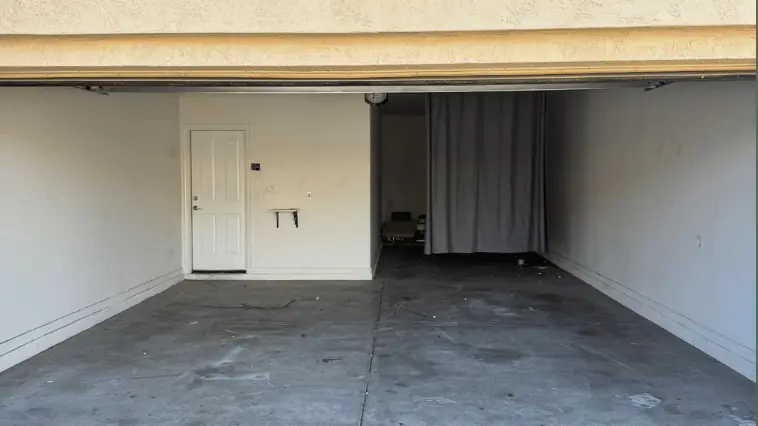
01. What a closed-up desert summer destroys
Set expectations honestly, because the alternative is discovering it in October. Interior temperatures in a closed, uncooled structure in this area run far above the outside air for months at a stretch, and a lot of ordinary household material does not tolerate it.
Expect the following to be degraded or ruined: candles and anything wax, vinyl records, cassette and VHS tapes, photographs in plastic sleeves where the emulsion bonds to the plastic, adhesives of every kind including tape, labels and glued furniture joints, rubber and elastic, and foam in upholstery and mattresses. Pressed-wood and particleboard furniture delaminates. Batteries left in devices corrode and leak, which is the single most common unpleasant discovery on return.
Food is the other one. Anything in a pantry that is not in sealed metal or glass is both a loss and an invitation — pest activity in a closed structure over a summer is common, and cardboard packaging is no barrier at all. Clear the pantry completely rather than leaving sealed-looking boxes.
- Candles, vinyl, tapes and photographs in plastic sleeves
- Anything held together with adhesive, including flat-pack furniture
- Foam in mattresses, cushions and upholstery
- Batteries in devices — remove them, do not leave them in
- The entire pantry, regardless of how sealed it looks
02. The decision that matters: store it or let it go
Every item in the place falls into one of three groups, and the useful exercise is to sort them honestly rather than defaulting everything to the third.
First, things that genuinely survive and are worth keeping: metal, glass, ceramic, solid wood, tools, cookware, and anything sealed. Second, things that will not survive and have no value afterwards — the list above. Third, things that technically survive but you have not used in several seasons, which is the group that quietly fills a park model over a decade.
That third group is the one worth being decisive about. A seasonal property accumulates in a way a primary residence does not, because nothing is ever thrown away during a visit — it is left for next year. After ten seasons that is a full storage shed, a packed carport and a spare bedroom nobody sleeps in. The departure week is the natural moment to deal with it, because you are already handling everything.
03. The outbuildings are the real volume
On most Apache Junction lots, the interior is the small part of the job. The shed, the carport, the Arizona room and the area behind the unit hold more than the home does.
What accumulates there is consistent: old appliances that were replaced but never removed, building material left from a project, patio furniture that has sat through several summers, swamp cooler parts, hoses and irrigation fittings, tires, propane tanks, and the dilapidated remains of a shed that failed some years ago.
This is also where genuine surprises live. We find more unexpected volume in Apache Junction than almost anywhere else we work — decades-deep accumulation behind a shed, under a carport, or inside an outbuilding that has not been opened in years. It is the reason our flat quoting matters here: we quote after seeing it, and the number does not move when the pile turns out deeper than it looked from the driveway.
04. Access is genuinely different out here
Properties closest to the Superstition boundary have access characteristics unlike anywhere else in the Valley — unpaved approaches, steep or washed-out driveways, and in places genuinely limited turnaround for a full-size vehicle with a trailer.
Park and RV communities bring their own constraints: narrow internal roads, tight corners between lots, overhead obstructions, and in many cases rules about commercial vehicles and work hours. Some communities restrict contractor access to particular hours or require check-in at an office.
Tell us about the approach when you book. We would far rather bring the right vehicle, or stage from a nearer point and carry, than commit a loaded trailer to a road it cannot turn around on. None of this prevents the work; discovering it on arrival is what costs a day.
- Unpaved, steep or washed-out approaches
- Narrow internal roads and tight turns in park communities
- Community rules on commercial vehicles, hours and office check-in
- Overhead obstructions on the approach to the lot
05. Book earlier than you think you need to
This is the most practically useful thing in this piece. The spring departure window is busy for every service business in the area simultaneously, for the same reason Tempe is busy in August: a large number of people are doing the same thing in the same fortnight.
If you are working to a departure date — a flight, a drive-out, a lot handover — book the removal well ahead of that date rather than in the final week. The failure mode is a departure date arriving with a shed still full, at which point the choice is leaving it for next season or paying someone to deal with it in your absence.
Scheduling a removal while you are not there is entirely workable, and we do it regularly for seasonal residents. It needs clear instruction about what goes and what stays, access arranged, and someone able to confirm by photograph afterwards. But it is a fallback, not a plan — it is much easier to point at a pile than to describe one from two thousand miles away.
06. What this costs
Single items start at $99. Beyond that, volume: each eighth of our 20-yard trailer adds $150, to $1,299 for a full load, fixed before anything is loaded. A typical seasonal clear-out that includes the shed and the carport tends to land between a half and a full trailer, which surprises people whose mental estimate was based on the interior alone.
The things we cannot take are worth knowing before departure week, because they need their own arrangements: propane tanks, paint, solvents, pool chemicals, motor oil and automotive batteries are household hazardous waste and go to the appropriate program. Tires are generally handled separately as well. Set those aside at the start of the week rather than discovering them at the end.
For anything in genuinely usable condition, we donate rather than default to a landfill, and metals, appliances and mattresses are routed to recyclers. On a seasonal clear-out that is often a meaningful share of the load, particularly furniture and working appliances that are simply surplus rather than finished.
- A closed, uncooled structure through an Arizona summer destroys wax, foam, adhesives, tape, photographs in plastic and anything with a battery in it.
- Clear the pantry completely — cardboard packaging is no barrier to pests over a summer.
- The shed, carport and Arizona room usually hold more volume than the home itself.
- Tell us about unpaved, steep or narrow approaches when booking; it changes the vehicle, not the price.
- Book well ahead of a spring departure date — that window is busy for every service business in the area at once.
Common questions
Yes, and we do it regularly for seasonal residents. It needs clear written instruction about what goes and what stays, arranged access, and we will confirm with photographs afterwards. It works well — it is simply easier for everyone if you can point at the pile before you go.
No. Propane, paint, solvents, pool chemicals, motor oil and automotive batteries are household hazardous waste and are outside what any junk removal company can legally haul. They go to the appropriate program, and because those run on their own schedule, deal with them at the start of your departure week rather than the end.
It changes the approach, not the price. We may bring a different vehicle or stage from a nearer point and carry. What causes a problem is finding out on arrival, so mention the approach when you book and we will plan the right setup.
Only if they are in the survives category — metal, glass, ceramic, solid wood, sealed items. A shed is hotter than the home, not cooler, so anything with foam, adhesive, wax or a battery in it is worse off there. Items you have not used in several seasons are usually better dealt with now than stored for another one.
Need junk removal in Apache Junction?
Upfront pricing, insured crews, and we do all the lifting. 5/5 from 170+ neighbors.