
01. What appliance removal costs in Mesa
Appliance removal starts at $99. That covers a single unit from an accessible location — a washer, dryer, dishwasher, range, microwave, water heater or standard refrigerator. As with everything else we do, the price is volume and labor based and locked before the crew starts.
The cost drivers are weight, location and whether the unit is still connected. A dryer on a ground-floor laundry room is the easy case. A built-in double wall oven that has to come out of cabinetry, a water heater in a tight closet, or a side-by-side refrigerator coming up from a basement all take more crew time and get quoted accordingly.
Multiple appliances in one trip is where the economics get good. If you are replacing a kitchen, having the old range, dishwasher, microwave and refrigerator go out together costs dramatically less than four separate pickups — the truck is already there and the crew is already on site.
- Washer, dryer, dishwasher, range or microwave: starts at $99
- Refrigerator, freezer, wine fridge or any sealed-system unit: starts at $99, routed for certified refrigerant recovery
- Water heaters: heavy and often in tight closets — mention the location when booking
- Built-in wall ovens and cooktops: extra labor to pull from cabinetry
- Whole-kitchen replacements: bundle them into one trip and pay far less than per-unit pickups
02. Why refrigerators are legally different
Refrigerators, freezers, air conditioners, dehumidifiers and wine coolers all contain refrigerant in a sealed system. Under Section 608 of the federal Clean Air Act, that refrigerant has to be recovered by a certified technician before the appliance is scrapped or disposed of. Venting it to the atmosphere is illegal, and it is illegal whether you do it in your driveway or a scrapper does it behind a warehouse.
Older units are the bigger deal. Appliances manufactured before the mid-1990s commonly used CFC refrigerants with meaningful ozone-depletion impact, and many pre-2000 units also contain oil, mercury switches and PCB-laden capacitors that have their own handling requirements. If you are clearing out a property and pull a thirty-year-old chest freezer from a garage, that unit needs genuine processing, not a trip to the desert.
This is the practical reason to use a hauler rather than a Craigslist truck for sealed-system appliances. A legitimate operation routes the unit to a facility that recovers the refrigerant and documents it. You are not going to be audited over your old fridge, but the environmental difference is real and it costs you nothing extra to do it correctly.
03. How to prep an appliance for pickup
Disconnection is the one thing we cannot do for you in every case. Anything hardwired or gas-connected needs a licensed electrician or plumber to disconnect it — that includes most ranges, some dryers, and every gas appliance. We can haul a unit that is sitting disconnected; we are not licensed to cut gas lines or electrical whips.
Water-connected appliances need draining. A washing machine holds water in the drum and hoses, a dishwasher holds water in the sump, and a water heater holds thirty to eighty gallons. An undrained water heater is both brutally heavy and a guaranteed flood across your floor on the way out. Drain it the night before if you can.
For refrigerators and freezers: empty them completely, and do it a day ahead rather than an hour ahead. A freezer full of thawing food becomes a genuinely unpleasant job, and anything left inside shifts and leaks during transport. Prop the door open to let it dry out. Remove glass shelves and crisper drawers if they slide freely — they break in transit and the broken glass becomes a hazard for the crew.
- Have gas and hardwired units professionally disconnected before the appointment
- Drain washers, dishwashers and water heaters — especially water heaters
- Empty refrigerators and freezers a day ahead, not an hour ahead
- Pull loose glass shelves and drawers so they do not shatter in transit
- Clear a straight path and prop open the exterior door the unit is leaving through
04. Where the metal actually goes
Appliances are one of the genuinely good recycling stories in junk removal. A washer, dryer or range is overwhelmingly steel, and steel is infinitely recyclable with a mature, profitable market behind it. Unlike a sofa, where most of the mass ends up landfilled, most of an appliance's mass gets recovered.
Inside, the valuable material is copper — motor windings, compressor internals and wiring. Compressors from refrigerators and air conditioners carry real scrap value for exactly that reason. Aluminum shows up in condenser coils and some housings. After refrigerant recovery, a fridge gets shredded and separated magnetically and by eddy current into ferrous and non-ferrous streams.
The portion that does not recover well is the insulation foam in refrigerator walls and the mixed plastics in liners and door bins. Those are landfilled. Still, the overall recovery rate on a major appliance is high, which is why we would rather route one to a scrap processor than anywhere else. Our piece on scrap metal recycling and what has value goes deeper on which materials actually pay.
05. What about a working appliance?
If the unit still runs, do not haul it. A working washer, dryer or refrigerator has real value and real demand in the East Valley, and there are better outcomes than scrap.
Habitat for Humanity ReStores in the Phoenix metro accept working appliances and will often arrange pickup. Selling locally works well for anything under about ten years old and in good cosmetic condition. And if you are replacing a unit, ask the retailer about haul-away at delivery — many include it, and if it is already bundled into your purchase there is no reason to pay anyone separately.
Also check whether your utility runs a rebate program. SRP and APS have historically offered recycling incentives for old, inefficient secondary refrigerators and freezers — the classic garage beer fridge — because those units draw significant power. Programs and amounts change, so check current offerings directly with your utility. If a rebate is available, it can beat any removal option outright.
06. Mesa specifics worth knowing
Mesa's bulk trash program does accept appliances during your collection window, but sealed-system units get treated differently than a pile of yard waste, and there are rules about doors being removed or secured on refrigerators and freezers before they sit at the curb. That requirement exists for child-entrapment reasons and it is taken seriously.
Timing is the usual constraint. Collection runs on a rotation by area rather than on request, so if you just pulled a dead fridge out of the kitchen, the next window may be weeks away. A dead refrigerator sitting in a Mesa garage through July is not a neutral situation — anything left inside will make the unit genuinely difficult to handle by the time anyone gets to it.
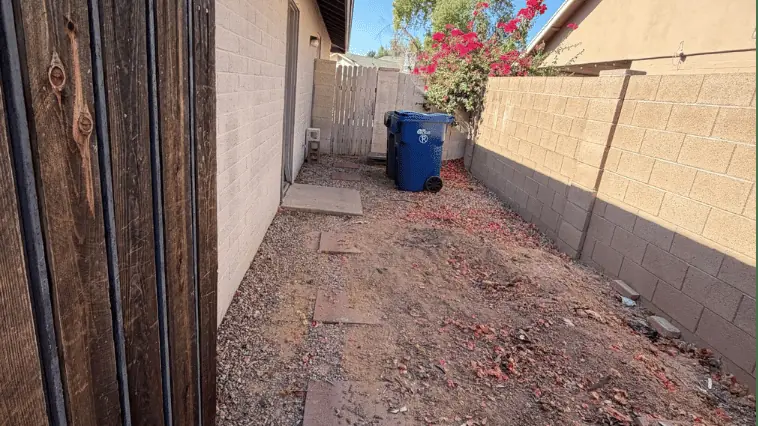
Across our Mesa service area the pattern is consistent: newer builds in Eastmark and Mountain Bridge usually have straightforward garage access and a straight shot to the driveway, while older homes around Lehi and downtown more often have a narrow side gate as the only path out of a back laundry room. Neither is a problem, but the second one is worth mentioning when you book.
07. Electronics are a separate category
People often lump a TV in with the old microwave, and the handling is genuinely different. Televisions, monitors, computers and similar electronics contain circuit boards with heavy metals, and older CRT displays contain significant leaded glass. Those belong in an e-waste stream, not a scrap metal stream.
We handle electronics removal as its own service starting at $99 and route units to e-waste processors. If you are clearing a home office alongside a kitchen, it is still one trip and one price — we just sort the load differently on the back end.
Mesa and the surrounding cities periodically host household hazardous waste and electronics collection events, which are a good free option if your timing lines up. If it does not, our guide to disposing of electronics responsibly in Mesa covers the standing options.
- Appliance removal in Mesa starts at $99 per unit, with bundled kitchen replacements costing far less than separate pickups.
- Refrigerators, freezers, AC units and dehumidifiers contain refrigerant that federal law requires a certified technician to recover before scrapping.
- Have gas and hardwired appliances professionally disconnected, and drain water heaters before the appointment — an undrained one floods your floor.
- Most of an appliance's mass is recoverable steel and copper, making appliances one of the better recycling outcomes in junk removal.
- If the unit still works, check utility rebates, ReStore donation or retailer haul-away before paying anyone to remove it.
Common questions
It starts at $99 for a single unit from an accessible location, with the price locked before any work begins. Built-in wall ovens, water heaters in tight closets and units coming up stairs take more labor and are quoted up front. Bundling several appliances into one trip costs substantially less than separate pickups.
Yes. Sealed-system units contain refrigerant that has to be recovered by a certified technician under federal law before the appliance is scrapped, so we route them to facilities equipped to do that. Empty the unit a day before pickup and prop the door open so it can dry out.
Anything gas-connected or hardwired needs a licensed plumber or electrician to disconnect — we are not licensed to cut gas lines or electrical whips. Standard plug-in units are fine as-is. Washers, dishwashers and especially water heaters should be drained before we arrive.
Sealed-system units go for certified refrigerant recovery first. After that, appliances are routed to scrap processors where the steel, copper and aluminum are separated and recycled. Insulation foam and mixed plastics are landfilled, but most of the unit's mass is recovered.
Mesa's bulk trash program accepts appliances during your assigned window, with rules requiring refrigerator and freezer doors to be removed or secured for child-safety reasons. The constraint is timing — collection runs on an area rotation, so the next window may be weeks out. Confirm current rules with the City of Mesa.
Yes, though electronics are handled as a separate stream starting at $99. TVs, monitors and computers contain heavy metals and leaded glass that belong in e-waste processing rather than scrap metal. It is still one trip and one quote — we just sort the load differently afterward.
Need appliance removal in Mesa?
Upfront pricing, insured crews, and we do all the lifting. 5/5 from 170+ neighbors.